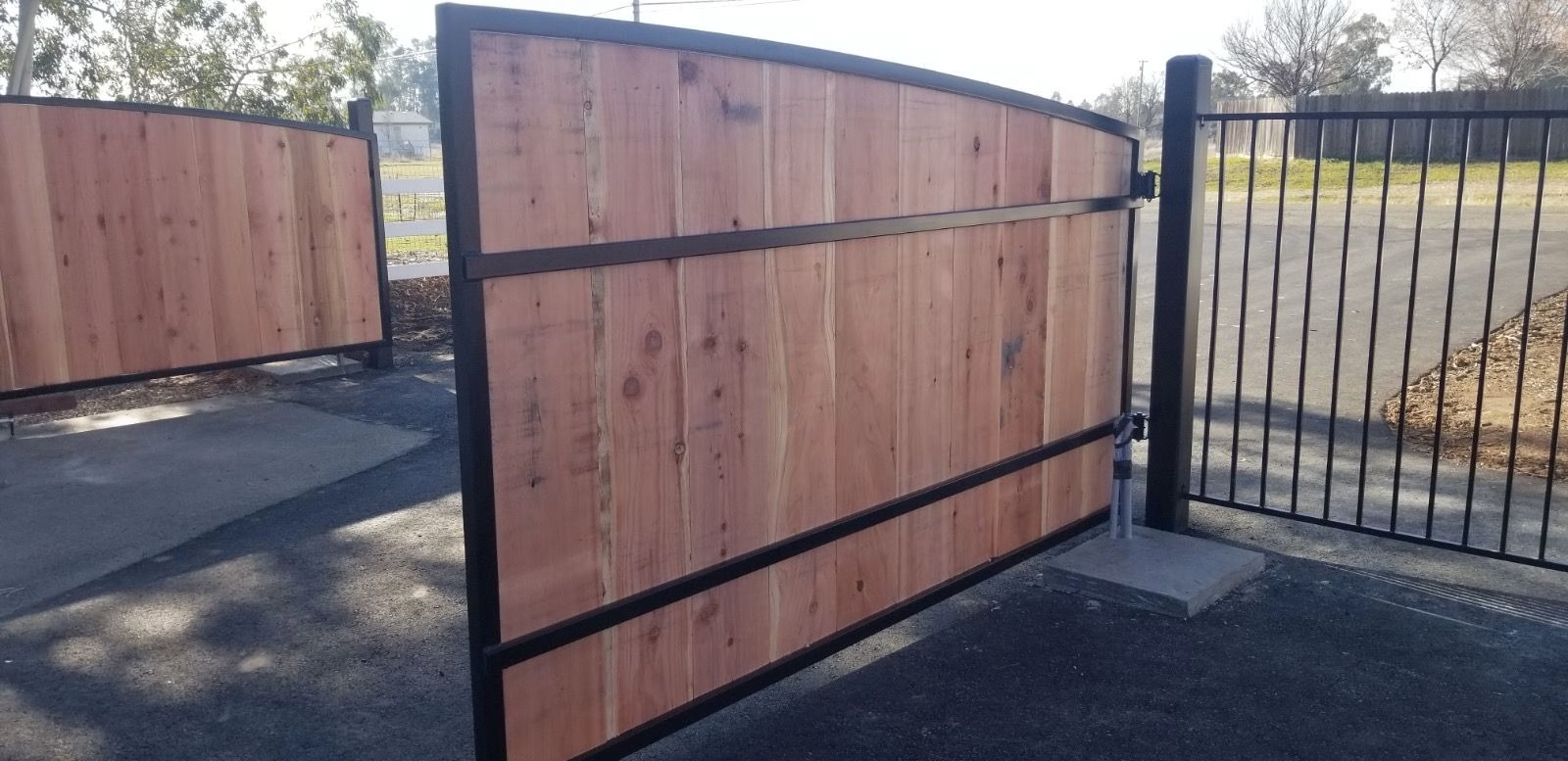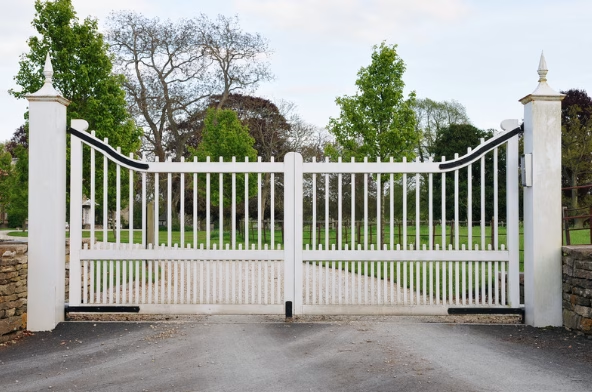
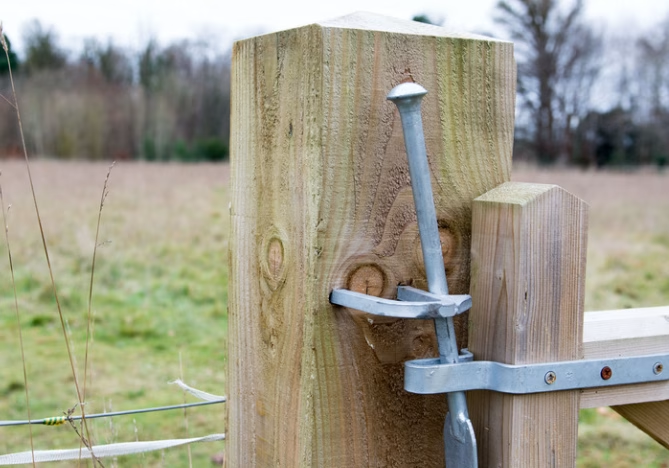
Discover the most reliable types of farm gate latches and learn the benefits of each. Get expert insights to help you choose the best latch for your agricultural needs.
Choosing the right gate latch is essential for ensuring functionality, safety, and ease of use on a farm. Though they may seem minor, gate latches play a crucial role in daily agricultural activities. Whether it’s keeping livestock secure or controlling access to certain areas, different latch styles offer distinct benefits suited to specific farming needs.
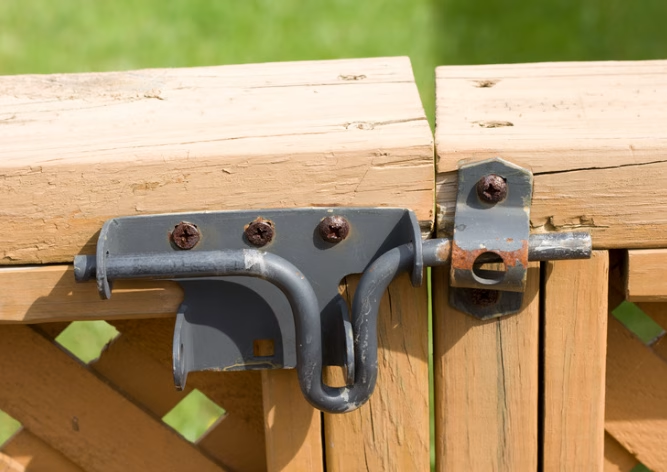
Understanding the different types of farm gate latches is necessary for choosing the right hardware that fits your gate, terrain, and use case. Some are designed for easy one-handed use, while others are built for maximum strength and durability in high-pressure settings. With the correct latch, you can minimize wear, reduce gate sag, and simplify daily tasks.
This blog provides a detailed breakdown of the most commonly used types of farm gate latches. We explain how each design functions and what unique benefits they offers. Whether you’re managing livestock or securing a property line, selecting the proper latch can enhance efficiency and minimize future maintenance costs.
Exploring the Most Common Types of Farm Gate Latches
Knowing the different types of farm gate latches allows you to make a more informed decision when upgrading or replacing your gate hardware. Here are the primary latch styles commonly found on farms and ranches.
Gravity Latches
Gravity latches are simple, self-latching mechanisms that use weight and motion to lock automatically. When the gate swings closed, the latch arm falls into place without manual effort. These latches are ideal for high-traffic gates or areas where hands-free operation is beneficial.
Benefits:
- Low maintenance
- Self-operating
- Inexpensive and easy to install
Spring-Loaded Bolt Latches
Spring-loaded bolt latches require manual force to open or close. They use a spring mechanism to keep the bolt in place until pulled back. These are best suited for gates that require a secure hold but are not frequently opened.
Benefits:
- Provides a strong lock
- Durable against heavy use
- Can be padlocked for added security
Chain Latches
Chain latches involve wrapping a length of chain around the gate post and gate frame, then hooking it to keep the gate closed. While basic, this method is still used for quick and easy closure.
Benefits:
- Flexible fit for different gate styles
- Quick to operate
- Cost-effective
Slam Latches
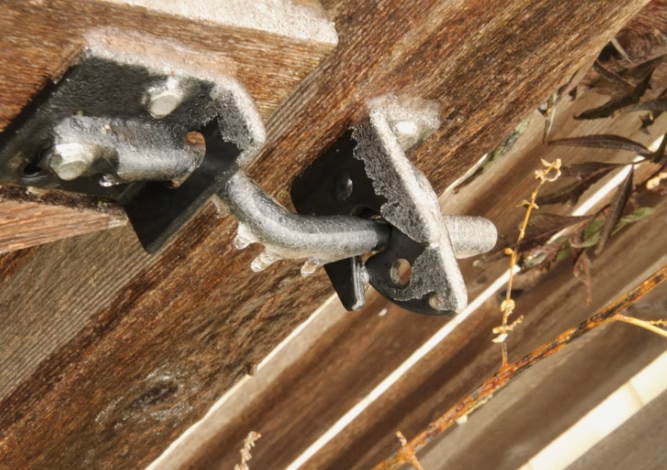
Slam latches lock the gate shut automatically when the gate is pushed closed. These are commonly used in livestock settings because they can be operated with one hand or even with a shoulder or knee.
Benefits:
- Quick and secure locking
- Hands-free use
- Ideal for animal enclosures
Two-Way Latches
Two-way latches allow the gate to swing open in both directions. This style is commonly used for larger openings and cattle gates. It requires precise installation to function correctly.
Benefits:
- Increases accessibility
- Convenient for wide or multi-purpose gates
- Designed for efficient herd movement
Choosing the Right Farm Gate Latch for Your Needs
Selecting the appropriate farm gate latch involves more than just picking a model off the shelf. Several key factors—ranging from functionality to material durability—should be considered to ensure long-term performance and security.
Gate Usage and Function
The way your gate is used on a daily basis should guide your latch selection:
- Frequency of Use: Gates that are opened and closed multiple times a day require latches designed for frequent operation without wearing out.
- User Type: If the gate is accessed by different people—such as workers, family members, or delivery personnel—choose a latch that’s intuitive and easy to operate.
- Livestock Security: For gates enclosing animals, it’s critical to select latches that can’t be accidentally opened by nudging or bumping. Look for mechanisms that lock securely and stay latched under pressure.
Material and Durability
The environment and climate your gate is exposed to will affect the latch’s lifespan:
- Galvanized Steel: A popular choice for agricultural settings, galvanized steel resists rust and stands up well to harsh weather conditions.
- Powder-Coated Finishes: Ideal when both function and appearance matter. These finishes add an extra layer of weather resistance while offering a cleaner, more refined look.
- Corrosion Resistance: If your gate is located in a coastal, humid, or high-rainfall area, corrosion-resistant materials are essential to prevent premature wear and tear.
Security and Compatibility
Security and integration with your existing setup are also key considerations:
- Padlock Compatibility: For added protection against unauthorized access, ensure the latch can accommodate a padlock or integrated locking mechanism.
- Fit and Compatibility: The latch should match the size, weight, and structure of your gate. An improperly fitted latch can cause misalignment, sagging, or damage over time.
Professional Consultation and Custom Needs
In complex setups—such as large farms, custom-built gates, or automated systems—seeking professional advice can be worthwhile:
- Custom Gates: Unusual dimensions or configurations may require specialty latches that aren’t readily available off the shelf.
- Automated Systems: If you plan to automate your gate, ensure the latch is compatible with motorized or remote-controlled openers.
- Professional Installation: Experts can assess gate conditions, recommend suitable latch types, and ensure proper installation to maximize durability.
Maintaining and Replacing Farm Gate Latches Over Time
Farm gate latches are vital for managing livestock, maintaining property security, and ensuring convenient access across the farm. Though built for durability, these latches inevitably experience wear and tear from regular use and exposure to the elements.
Inspecting for Wear and Damage
Consistent inspections help identify early signs of deterioration. Check for:
- Loose bolts or fasteners
- Rust and corrosion
- Misalignment or sticking mechanisms
Addressing these issues early can prevent more serious failures.
Lubrication and Cleaning
Applying oil or grease to moving parts can reduce friction, protect against moisture, and extend the latch’s lifespan. However, lubrication is not a fix-all; damaged components still need to be replaced.
When to Replace
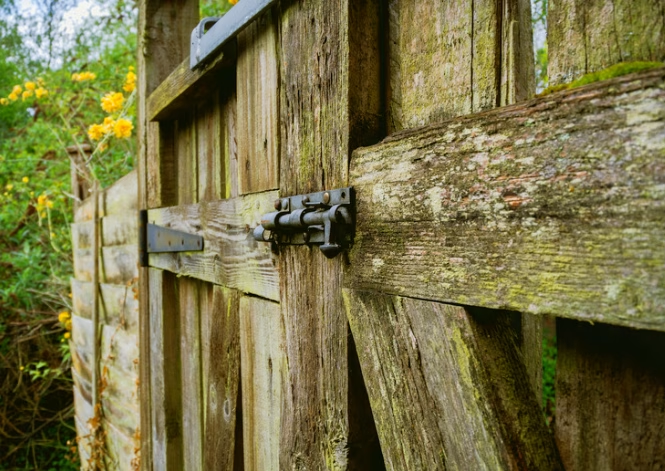
If a latch is heavily rusted, bent, or no longer functioning reliably, replacement is often safer and more cost-effective than repair.
Safety and Security Concerns
Using makeshift closures like baling wire, rope, or chains can be risky. These solutions may fail under stress, potentially allowing livestock to escape or enabling unauthorized access.
Benefits of Newer Designs
Modern latch systems often include:
- Ergonomic handles
- Corrosion-resistant materials
- Compatibility with automated or remote-control systems
These features improve both usability and safety, especially on larger or high-traffic properties.
Long-Term Value
Upgrading improves functionality, reduces the need for frequent repairs, and provides better peace of mind. A reliable latch system supports the safety of animals, property, and people.
Frequently Asked Questions
What is the farm gate latch?
A farm gate latch is a device used to keep agricultural or livestock gates securely closed while allowing for easy opening when needed. These latches are designed for durability and ease of use, often functioning even when operated with one hand or from horseback. Common types include chain latches, slam latches, and lever latches.
What are the different types of farm gates?
Different types of farm gates include metal tube gates, wooden panel gates, mesh or wire gates, and electric gates. Metal tube gates are popular for livestock control due to their strength, while mesh gates help keep smaller animals in. Electric gates are often used at property entrances for controlled vehicle access.
What are the different parts of a gate latch?
A gate latch generally includes a latch arm or bar, a catch or strike plate, mounting hardware, and possibly a locking mechanism. Some models may have additional components, such as springs or handles, for enhanced ease of use. The design and number of parts depend on the latch type and purpose.
How to secure a farm gate?
To secure a farm gate, use a strong and reliable latch or lock, such as a chain with a padlock, a keyed latch, or a heavy-duty automatic latch. Make sure the gateposts are stable and the hinges are in good condition to prevent sagging. For added security, especially in remote areas, consider installing a gate alarm or camera.
How does a gate latch work?
A gate latch works by holding the gate in a closed position through a mechanical locking system. When engaged, the latch arm or bolt fits into a catch or strike plate attached to the gate frame or post, preventing the gate from swinging open. To open the gate, the latch is manually or automatically disengaged, releasing the locking mechanism.
Conclusion
Understanding the types of farm gate latches and their unique benefits helps you make better choices when it comes to managing your gates. Each latch serves a specific purpose, and selecting the right one ensures efficiency, safety, and ease of use for daily operations.
From simple chain closures to advanced slam latches, the variety allows for flexible solutions tailored to your gate’s location, frequency of use, and the kind of traffic it sees. Making the right choice reduces the chance of gate failure and the need for constant repairs.
If you’re unsure which latch best suits your needs, Central Valley Gates & Access Controls can help. We provide expert advice, installation, and service across a wide range of gate systems.
End Note
Central Valley Gates & Access Controls provides personalized gate solutions tailored to your specific needs, ensuring optimal security and functionality. Whether you need assistance with gate operator installation, custom vehicle gate installation, or upgrading to LiftMaster technology, our team is ready to help.
We also offer expert gate operator repairs and serve areas across Sacramento County, North Highlands, and Carmichael. Our solutions are built to last and supported by excellent customer service.
Learn more about our company, see what others are saying in our reviews, and follow us on Facebook and Instagram. Ready to get started? Reach out through our contact page to schedule a consultation today.
Central Valley Gates and Access Controls
4817 Myrtle Ave Suite C, Sacramento, CA 95841, United States
+19167454011