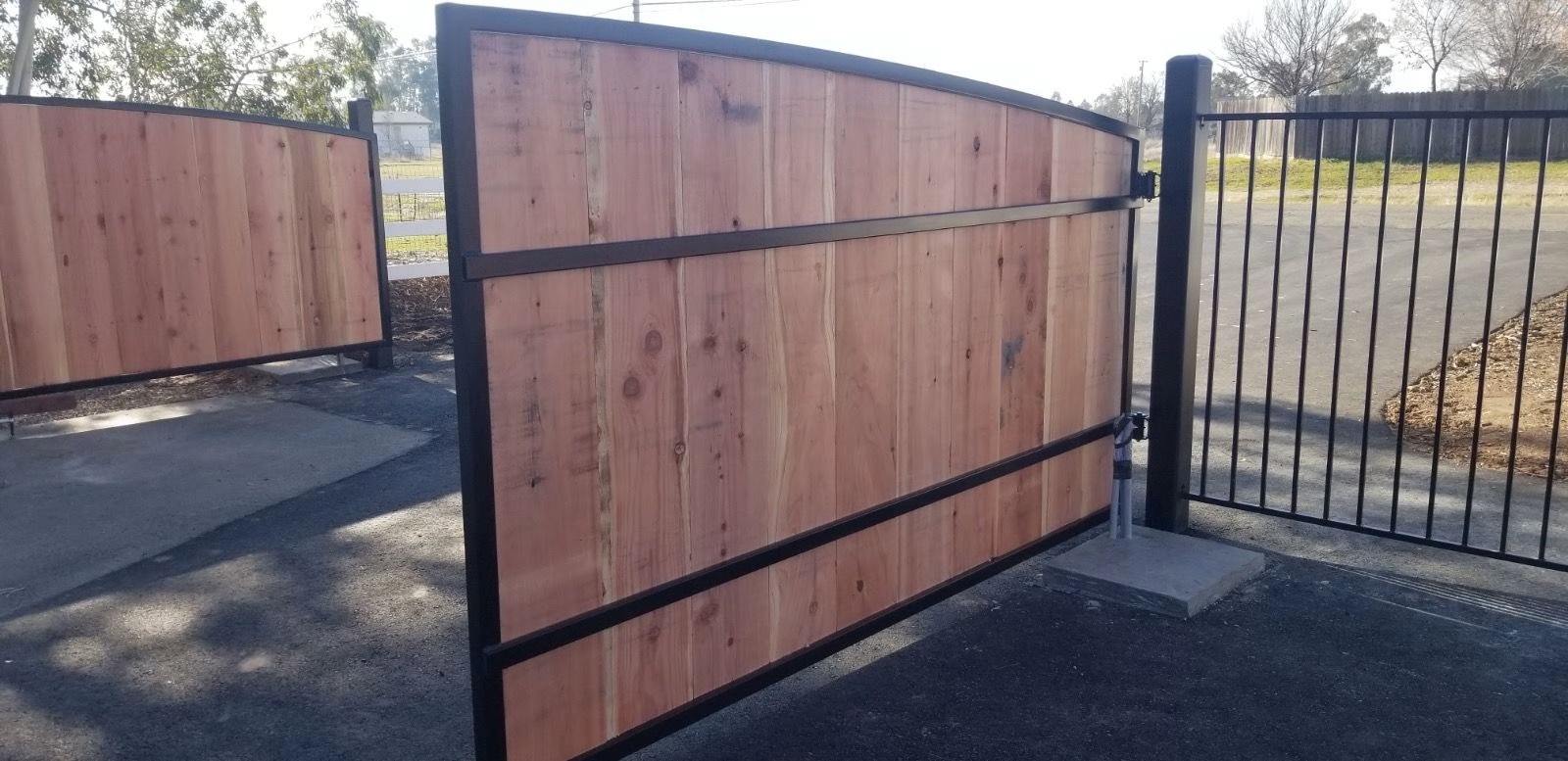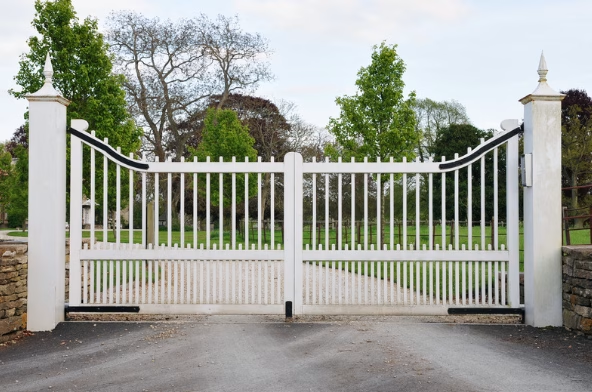
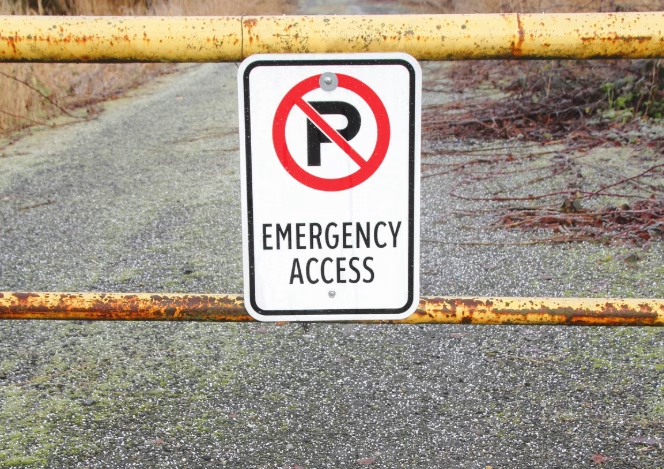
Enhancing community protection starts with accessibility. Learn how gate access for emergency vehicles enables faster response times, improves public safety, and facilitates efficient property management.
Gated communities provide an increased sense of security, but without thoughtful design, they can hinder emergency response times. First responders depend on quick access to safeguard lives and property, and delays caused by difficult-to-access gates can lead to critical consequences. Incorporating reliable, rapid-entry systems for emergency vehicles is essential to balancing resident security with public safety.
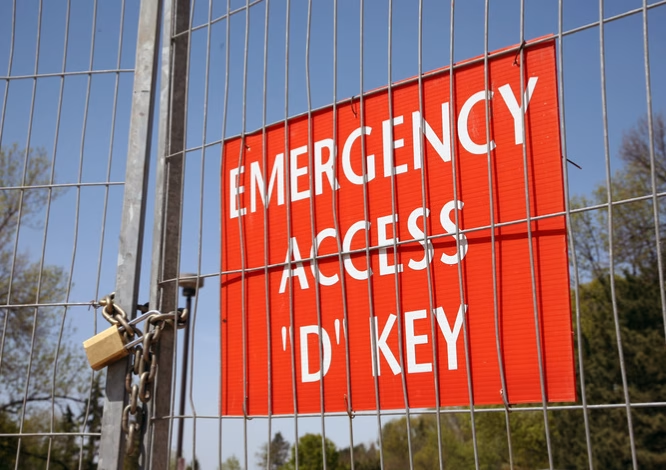
Community developers, HOAs, and property managers are increasingly recognizing the importance of ensuring their gates don’t become barriers in times of urgency. By implementing the right technologies and systems, emergency responders can gain instant, authorized access without manual intervention. This responsiveness not only improves rescue operations but can also lower liability risks and build trust within the community.
Gate access for emergency vehicles is more than a technical add-on; it is a public safety measure that supports both secure living and lifesaving operations. This blog explores how integrating such access can transform emergency preparedness and outlines practical steps for communities seeking to upgrade their infrastructure.
Enhancing First Responder Response Times with Emergency Gate Access
In life-threatening situations, seconds count. Fire, police, and medical personnel must be able to access gated properties quickly. Traditional gate systems may slow down this process if they lack integration with emergency access features. By enabling fast and secure gate access for emergency vehicles, communities can remove unnecessary obstacles and reduce response time.
Common solutions include radio frequency (RF) transmitters, strobe light sensors, Knox Boxes, and Opticom systems. These technologies allow emergency responders to trigger gate openings using department-specific codes or equipment automatically. Having these systems professionally installed and routinely tested ensures their reliability during real emergencies.
More importantly, making this feature a standard part of community design sends a clear message: resident safety is a top priority. Emergency personnel should not be forced to wait for manual access when automated and secure solutions are readily available.
How Gate Access for Emergency Vehicles Supports Community Safety
Ensuring reliable emergency access in gated communities is essential for protecting lives and property. A well-planned gate system not only meets legal requirements but also promotes trust and peace of mind among residents.
The Importance of Immediate Emergency Access
Time is a critical factor in emergency response. Whether it’s a fire, medical emergency, or law enforcement situation, even short delays at gated entrances can have serious consequences:
- Faster Response Times: When first responders can enter without obstruction, it reduces the risk of worsening injuries, fire spread, or criminal activity.
- Crisis Management: Unhindered access enables emergency personnel to assess, respond, and stabilize situations more effectively, thereby limiting the potential scope of damage.
Legal and Regulatory Compliance
Gated properties are often subject to specific codes and standards that mandate emergency access:
- Fire Code Requirements: Many local fire departments require the installation of approved emergency access systems, such as siren-activated openers or Knox Boxes.
- Municipal Regulations: City or county planning authorities may condition approval of new developments on the inclusion of compliant emergency access provisions.
- Liability and Penalties: Failure to comply with these standards can result in fines, code violations, or delays in construction and occupancy permits.
Types of Emergency Access Solutions
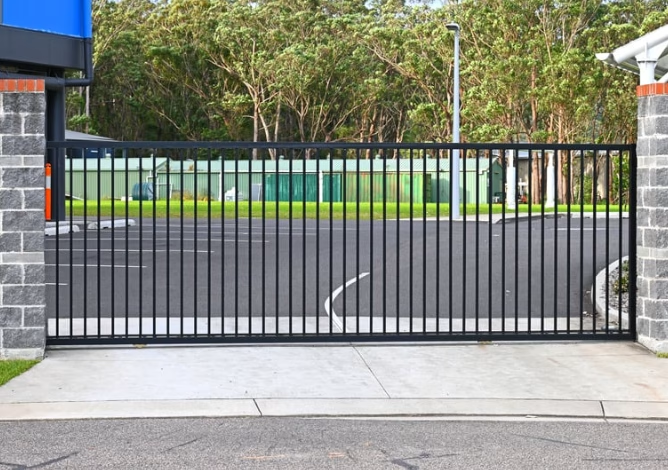
Communities can choose from several access solutions that balance security with emergency preparedness:
- Automated Entry Systems: Include radio-frequency transmitters, keypad overrides, and license plate recognition configured for emergency vehicles.
- Knox Boxes and Key Switches: Provide first responders with physical keys or access codes to open gates manually in case of power failure or system malfunction.
- Fail-Safe Designs: Some gates are built to automatically open or unlock during power outages or in response to emergency signals.
Enhancing Community Trust and Property Value
Beyond meeting code requirements, emergency access systems offer important social and economic benefits:
- Resident Peace of Mind: Knowing that help can reach them without delay fosters a sense of security and well-being among residents.
- Community Reputation: Gated communities that invest in safety infrastructure are viewed as more responsible and desirable places to live.
- Property Value Boost: Homebuyers are increasingly prioritizing safety features, and well-implemented emergency access can be a selling point.
Best Practices When Planning Gate Access for Emergency Vehicles
When considering upgrades or new installations, several best practices ensure your gate system aligns with emergency service standards:
1. Collaborate Early with Local Authorities
Engage local emergency services—including police, fire departments, and EMS personnel—at the earliest stages of planning and development. These agencies can provide insight into the types of access tools and systems they currently use, along with any local codes or protocols that your system must comply with. Involving them early helps ensure your access solutions meet their operational requirements and avoid costly changes later on.
2. Choose Universal and Compliant Access Systems
Invest in access control systems that are compatible with standard emergency tools. Common solutions include Knox Boxes, Siren-activated systems, strobe-activated sensors, and radio-frequency identification (RFID) systems used by local emergency vehicles. By using industry-standard devices recognized by emergency services, you reduce the likelihood of miscommunication or system failure in a crisis.
3. Implement Routine Testing and Preventive Maintenance
Even the most advanced system can fail if not regularly maintained. Include emergency access components in your ongoing inspection and maintenance schedule to ensure they remain fully operational and functional. Test override features periodically, confirm that any batteries or power backups are functioning properly, and document all inspections to ensure compliance with safety standards.
4. Identify and Mark Emergency Entry Points
All access gates, especially those designated for emergency use, should be clearly labeled and easily accessible. Use reflective signage and visible numbering, and ensure that landscaping or other obstacles do not obscure entry points. In larger properties or complexes with multiple buildings, consider creating a map or signage system that shows emergency access routes and gate locations for first responders.
5. Plan for Redundancy and Fail-safes
Design gate access systems with contingencies in mind. Include manual override options, battery backups, or mechanical release mechanisms that can be used in the event of a power failure or system malfunction. Having more than one method of access helps mitigate the risk of system failure when time is critical.
6. Educate Staff and Residents
Ensure that property managers, maintenance staff, and residents understand how emergency gate access works and what their role is in supporting it. Misuse or unintentional disabling of emergency features can compromise safety. Consider posting instructions and conducting occasional briefings or drills to ensure everyone is informed and prepared.
Making informed decisions about your community’s gate access for emergency vehicles can prevent delays that may cost lives.
Integrating Modern Technology for Smarter Emergency Access
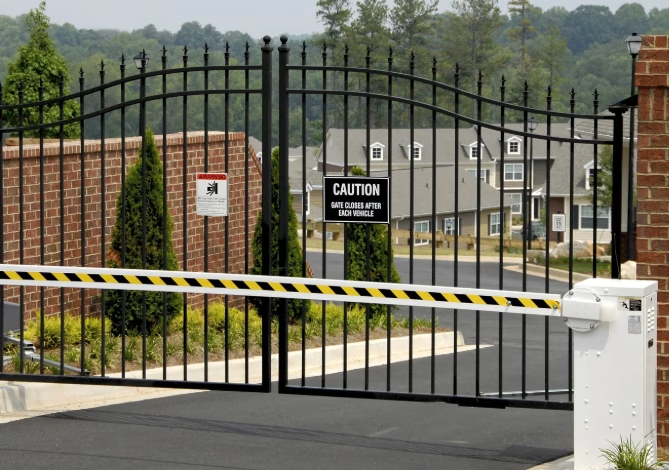
Today’s gate technologies go beyond traditional methods. Smart gate access for emergency vehicles includes mobile-app-enabled systems, cloud-controlled devices, and integrated video surveillance. These options not only enhance safety but also improve monitoring and data logging.
With cloud-connected systems, property managers can get real-time notifications whenever emergency access is used. Some platforms even allow temporary remote override by dispatchers or security personnel. These digital solutions also streamline compliance reporting and system health monitoring.
Investing in modern emergency access systems increases operational efficiency and ensures your property remains aligned with evolving public safety expectations.
Frequently Asked Questions
What is gate access for emergency vehicles?
Gate access for emergency vehicles refers to specially designed systems that allow fire, police, and medical responders to enter gated properties quickly and securely during emergencies without manual assistance.
How do emergency vehicles access gated communities?
Most emergency services use RF transmitters, Knox Boxes, or strobe light sensors installed at the gate. These systems recognize signals from emergency vehicles and automatically open the gate to allow fast entry.
What are the different types of access gates?
Different types of access gates include swing gates, sliding gates, barrier arm gates, vertical lift gates, and bi-folding gates. Each type serves different security and space needs, with swing and sliding gates being common in residential settings, while barrier and lift gates are often used in commercial or parking areas.
What is the meaning of vehicle gate?
A vehicle gate is a barrier designed to control the entry and exit of cars, trucks, or other vehicles in a secured area. It can be manual or automatic and is often part of a broader access control system.
How are gates used in driving?
In driving, gates are used to regulate vehicle access to private properties, parking lots, restricted areas, or toll roads. They help enhance security, control traffic flow, and ensure that only authorized vehicles can pass through.
What is a gate access system?
A gate access system is a security solution that allows or restricts vehicle or pedestrian entry through a gate using methods like keypads, remote controls, intercoms, or RFID readers. These systems are often used in residential communities, commercial properties, or gated facilities to manage and monitor who enters or exits.
Conclusion
Enhancing community safety begins with ensuring rapid and reliable access for emergency responders. Gated communities must find a balance between security and accessibility, especially during critical situations. Installing systems that enable seamless gate access for emergency vehicles is a fundamental step toward that goal.
Beyond faster response times, these systems improve regulatory compliance and reduce liability. They demonstrate a community’s commitment to resident safety and can boost property values by fostering a secure yet accessible environment. Proper planning, ongoing maintenance, and collaboration with local emergency services are key to success.
For those looking to upgrade or implement these solutions, Central Valley Gates & Access Controls offers expert service and tailored installations that meet both local standards and your property’s unique requirements.
End Note
Central Valley Gates & Access Controls offers a comprehensive range of secure, code-compliant solutions that enhance emergency readiness without compromising property protection. Our offerings include custom vehicle gate installations, designed to meet the aesthetic and functional needs of any community or facility.
You can learn more about us and our commitment to durable, reliable systems that serve residents and first responders. We also specialize in gate operator installation and repair, providing dependable performance year-round.
Our team works across Sacramento County and Placer County, consistently delivering expert solutions tailored to each property. See what our clients have to say by visiting our reviews, and stay connected through Facebook and Instagram. To get started, visit our contact page and schedule a consultation today.
Central Valley Gates and Access Controls
4817 Myrtle Ave Suite C, Sacramento, CA 95841, United States
+19167454011